
Newsletter
-
Newsletter April 2026

Our volunteers planted 100+ saplings along Jubilee Path, began bee monitoring, and tackled litter around the pond—supporting wildlife and biodiversity in the reserve.
-
Newsletter March 2026
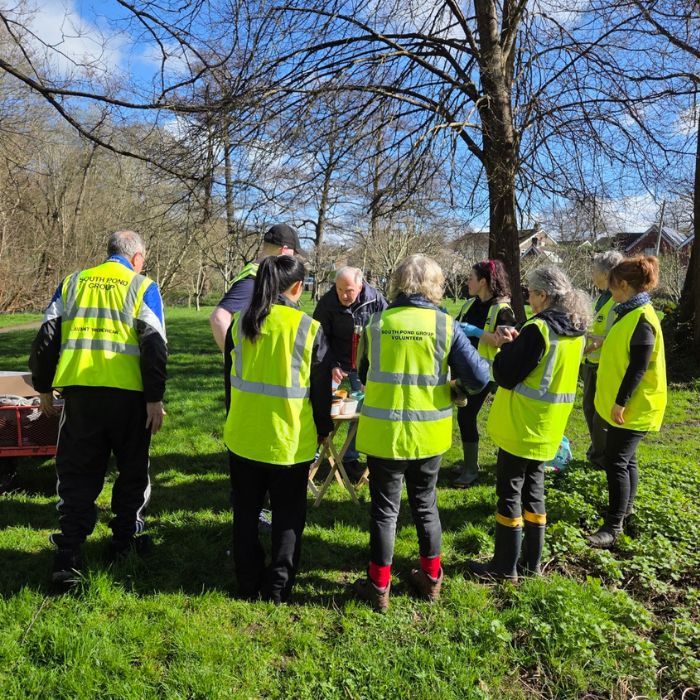
Our volunteers planted 100+ saplings along Jubilee Path, began bee monitoring, and tackled litter around the pond—supporting wildlife and biodiversity in the reserve.
-
Newsletter February 2026

Our group of volunteers enjoyed a dry February working group, clearing litter, tidying the mudbank, and planting a donated hornbeam tree and new saplings to prepare the area for spring.
-
Newsletter January 2026
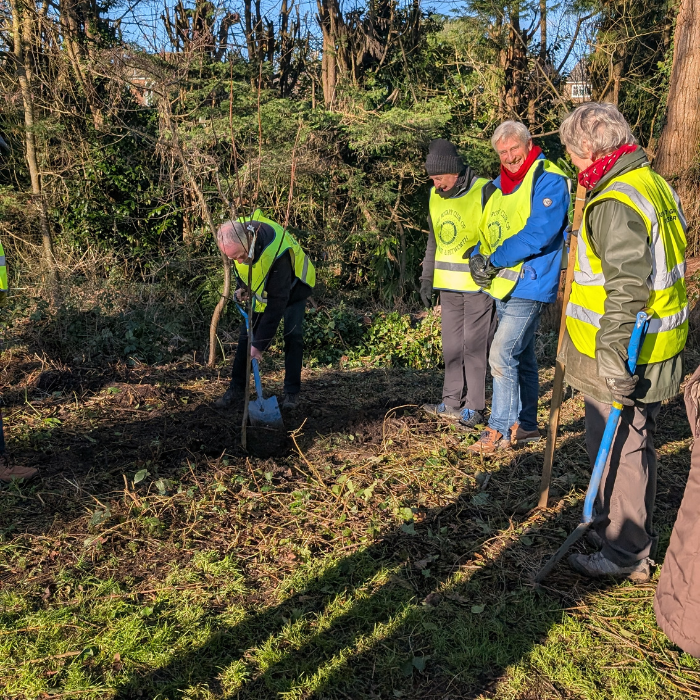
South Pond Group took on the task of tidying back the main island using their boat! Preparing the island for spring so young plants and flowers can grow.
-
Newsletter November

South Pond Group took on the task of tidying back the main island using their boat! Preparing the island for spring so young plants and flowers can grow.
-
Newsletter October

Autumn is upon us and at the pond, South Pond Group are preparing for winter. Lots of tidying took place to keep overgrowth at bay. Two new trees were planted along Jubilee Path.
-
Newsletter September
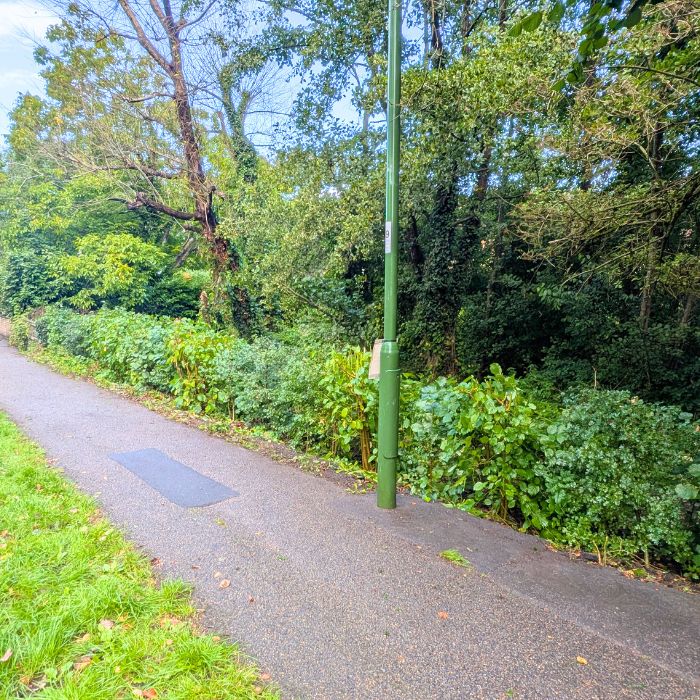
Despite the recent bad weather, South Pond Group were able to get out and do some clearing for their September working day.
-
Newsletter July & August

South Pond Group’s July & August events included our moth morning spotting over 70 species, a bat safari with Sussex Bat Group, and a family activity day of crafts and pond dipping—all part of MADHurst 2025.
-
Newsletter June 2025
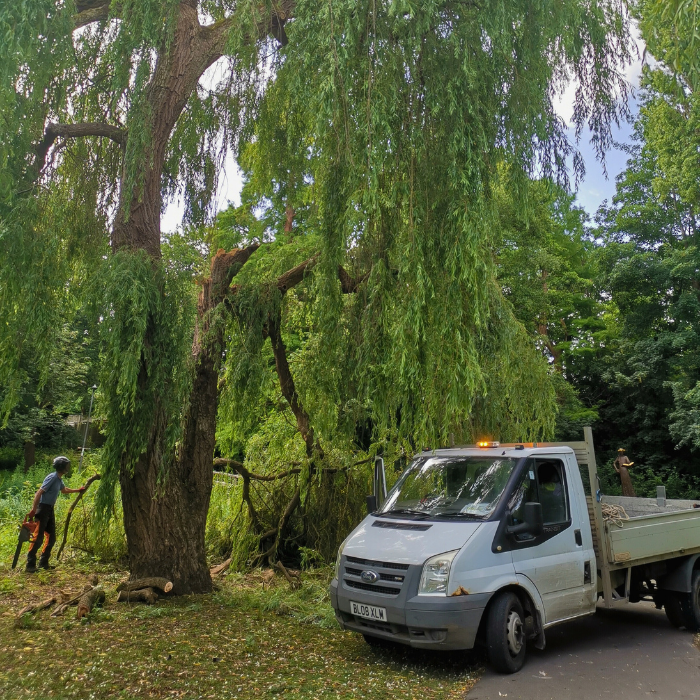
Our group joined a tree surgeon from CDC at South Pond to manage clearing the cracked weeping willow branch. Lots of clearing work occurred including controlling the sweet reed grass.
-
Newsletter April 2025

“South Pond Group in April: Our volunteers tackled fast-growing, poisonous hemlock along Jubilee Path, cleared new growth around young trees, and removed brambles from a yew. Spring blooms, maturing goslings, and a positive bumblebee survey added joy to the month.