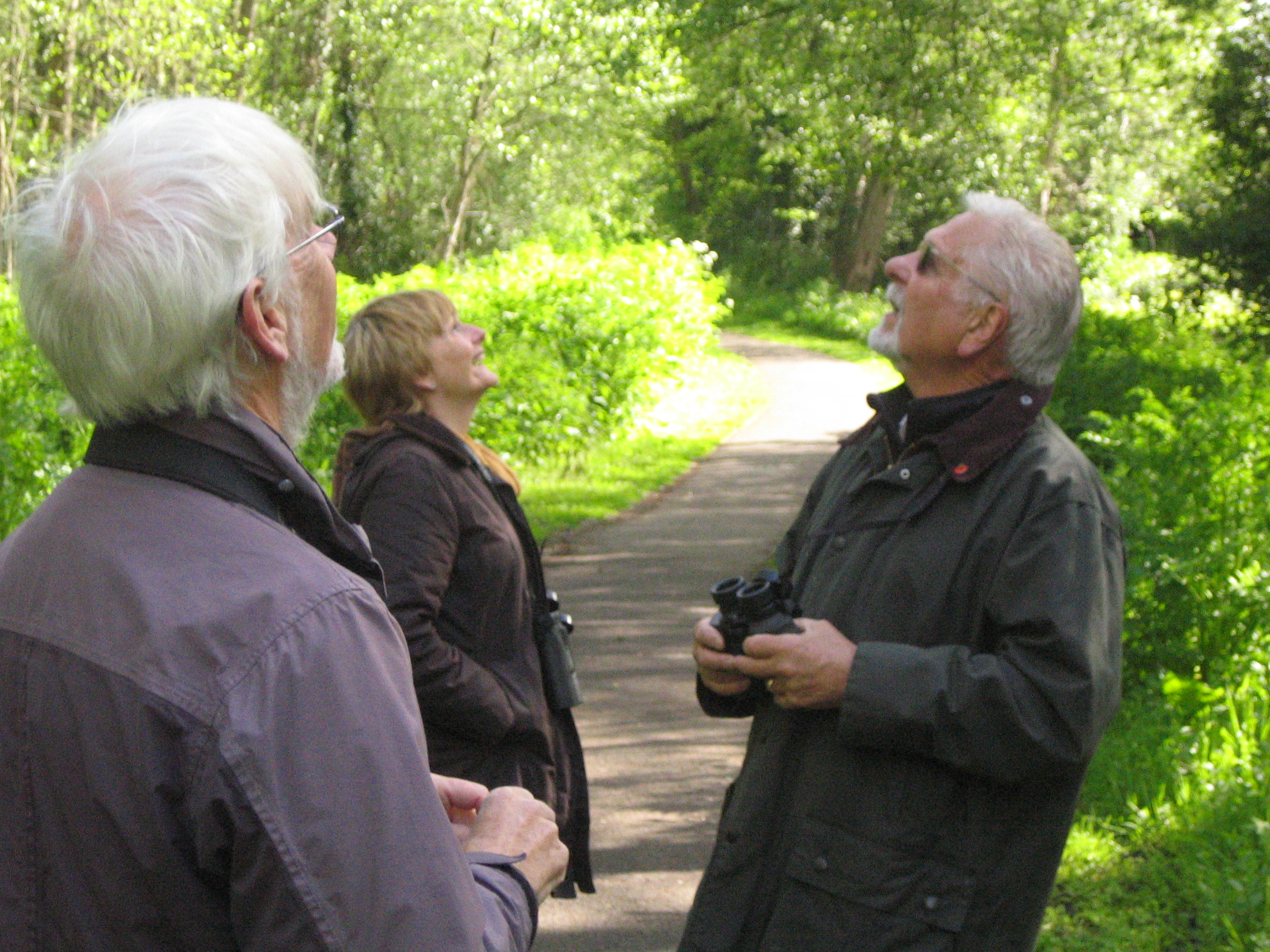
The diverse range of bird species in Midhurst blesses our landscape with an array of captivating calls. From the melodic trills of the blackbird to the lilting tunes of the chiffchaff, each species has its unique vocal call, contributing to the serene ambiance of our town.

Understanding and recognizing bird calls goes beyond mere enjoyment; it fosters a deeper connection with our environment. By familiarising ourselves with these natural soundscapes, we can actively contribute to conservation efforts. By identifying bird species and documenting their presence, we help protect their habitats and ensure the preservation of Midhurst’s avian population.
Interested in joining us for one of our birdsong walks?
The next walk will take place on the 10th June at 8:30am.
Please meet us at the bridge at the start of Jubilee Path. If the weather is not looking so good, the bird song walk will be cancelled.
To enhance your birdsong walk experience, here are some practical tips for identifying bird calls:
- Familiarise yourself with common bird species in the Midhurst area, such as the robin, blue tit, and blackbird. (You can download an app called Merlin which can help you with this)
- Pay attention to distinguishing features of bird vocalisations, including songs, calls, and alarms.
- Notice the pitch, rhythm, and pattern of the calls, as each species has its unique combination.
- Utilise mnemonic devices to remember distinct calls. For example, the chiffchaff’s call sounds like its name: chiff-chaff.
- Practise active listening by focusing on specific sound details, such as trills, warbles, or chirps.
When is the best time to catch bird songs in action?
Springtime is the best time of year to hear birds but also early mornings and late afternoons are prime times to witness the bustling life of birds around Midhurst. During these periods, birds are particularly active, seeking food and engaging in social interactions. Set your alarm clock and venture out to experience the magic of Midhurst’s dawn chorus or the serenity of a late afternoon stroll.
If you’re wondering what type of equipment to take along, there are no rules. If you prefer to listen in for your own joy, take a wander and you’ll soon notice all the different calls on offer. Or, if you see yourself as more of a budding bird listener, you can bring the below items along with you to supplement your walk:
- Binoculars: Bring a pair of binoculars to observe birds perched high in the treetops or across bodies of water.
- Field Guide or Birding App: Carry a field guide or use a birding app on your smartphone to help identify bird species based on their appearance and calls.
- Notebook and Pen: Jot down your observations, including the time, location, and distinct calls you encounter. It serves as a valuable record and aids in future identification.