Duck Feeding and The Dangers it Poses
Many people enjoy feeding ducks at parks and ponds, but there is a common misconception that bread is a healthy and suitable food for ducks. In reality, feeding ducks bread can be harmful to their health and lead to various issues. We’ve myth-busted some of the common misunderstandings to clear up some of your questions.
Is Feeding The Ducks As Good As We Think?
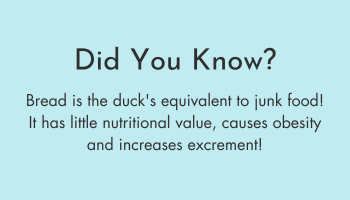
Feeding ducks is something that everyone loves to do and we often feel that we are helping them. The truth however, is that feeding ducks, and other waterfowl, creates more problems than we often realise.
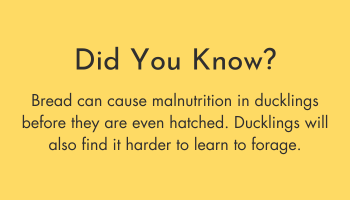
Problems For The Ducks
Birds are attracted to regular food supplies, this leads to overcrowding. The South Pond is a suitable size for up to 3 pairs of Mallards.
Regular food supplies discourages natural foraging.
Overcrowding is stressful and potentially dangerous for the females, particularly during the mating season; unattached males will forcibly mate.
Females will travel further away in order to nest away from overpopulated males. This can make it harder to find food, and increase the danger from predators.

Any bread left on the banks after feeding (which there often is), helps the growing rat population to thrive, who also feed on duck eggs and ducklings in the Spring.
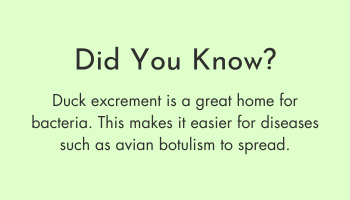
A carbohydrate rich food, such as bread, will increase the amount of excrement.
Problems For South Pond
- Overcrowding of one species will discourage other species making South Pond its home thereby reducing the natural biodiversity.
- Bread that is not eaten by the ducks is eaten by the carp in the pond thereby increasing the carp population beyond the level that the pond can support. This results in less invertebrates thereby reducing biodiversity further.
So How Do We Fix This, Yet Still Enjoy Visiting The Pond?
- Feeding the ducks is not the only activity we can enjoy at the pond, observing other wildlife in and around clean water that’s full of life can be much more rewarding.
- By not feeding the wildlife, we can in fact encourage more different species to the pond thereby improving our visits.
- Feeding wildlife with more natural and appropriate foods will help to maintain balance. Remember though, in one day, the pond can be visited by dozens of people, if you wish to feed, do so in small quantities.

Healthier Options for The Ducks:
Grains: Ducks enjoy grains such as wheat, barley, oats, and cracked corn.
Vegetables: Ducks also enjoy vegetables such as lettuce, spinach, peas, and corn. Chop the vegetables into small pieces and toss them into the water for the ducks to enjoy.
Fruits: Ducks also like fruits such as grapes, apples, and bananas. Cut the fruits into small pieces and toss them into the water for the ducks to eat.
More Information On The Effects Of Duck Feeding:
RSPB On Duck Feeding
The Daily Mail: Quack Cocaine
British Bird Lovers
Audobon Society of Portland, Oregon
What To Feed The Ducks